
|
Home Updates Hydros Cars Engines Contacts Links Racing Contact On The Wire |
Tethered Hydroplane Classes and British Records
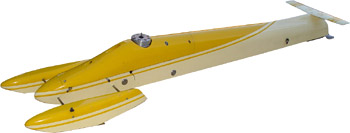
Naviga A3
NAVIGA International Classes. Current Records
| A1 up to 3.5cc 1.2kg Ex Dia 7.0mm | Rashid Chabibulin | 06/08/2016 | 213.777kph (132.75mph) |
| A1E Electric 1.2kg 42v Max | Oleksi Smolnikov | 29/07/2018 | 235.602kph (146.31mph) |
| A2 up to 7.5cc 2.0kg Ex Dia 8.0mm | Vladislav Subbotin | 26/08/1999 | 218.871kph (135.92mph) |
| A3 up to 10cc 2.5kg Ex Dia 10mm | Vladislav Subbotin | 05/07/2004 | 232.259kph (144.23mph) |
| B1 2.5cc airscrew 0.75kg Ex Dia 5.0mm | Babken Shahazizian | 30/07/2017 | 284.360kph (176.58mph) |
| B1E airscrew 0.75kg 42v Max | Illia Norkin | 18/08/2024 | 291.2kph (180.83mph) |
MPBA 'International' Classes.
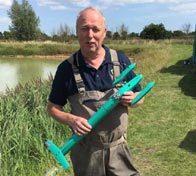
Current Records| A1 | Pete Dirs | 13/08/17 | 122.64mph |
| A1E | Angela Gullick | 30/07/22 | 136.35mph |
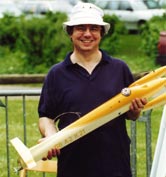
| A2 | Roger James | 3/08/03 | 129.30mph (Set with 6.5cc motor) |
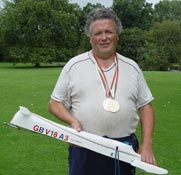
| A3 | Norman Lara | 06/07/14 | 141.70mph |
| B1 | Pete Dirs | 15/08/24 | 155.25mph |
| B1E | Angela Gullick | 11/06/21 | 120.68mph |
 |
 |
 |
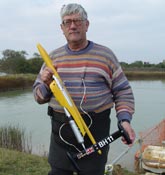 |
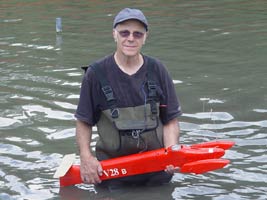
| Pete Dirs | Roger James | Norman Lara | The late Jim Free |
MPBA British Classes. Current Records
| Sport 40 E | Martin Broad | 20/07/14 | 111.29 mph |
| Sport 40 IC | Stuart Falconer | 03/09/22 | 119.75 mph |
| B1 Sport | Jim Free | 28/05/17 | 128.48 mph |
| B1E GB | No record established | ||
| B | Ron Hankins | 19/06/16 | 124.76 mph |
| B/S 9lb | Stan Poyser | 02/08/98 | 96.67 mph |
| A | John Hyder | 08/10/00 | 130.05 mph |
| A/S | Paul Windross | 07/07/13 | 129.33 mph |
| B/R | Ron Hankins | 03/09/22 | 139.11 mph |
| Vintage | Not applicable to this class. Lambert Trophy awarded for the fastest speed recorded each season | ||
 |
 |
 |
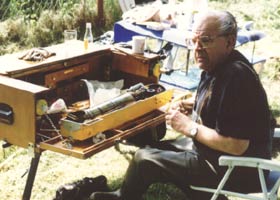
| Ron Hankins | The late Stan Poyser | Angela Gullick |
 |
 |
 |
|
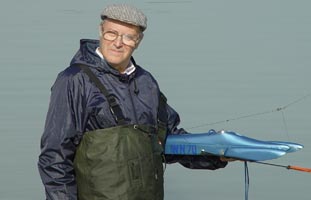
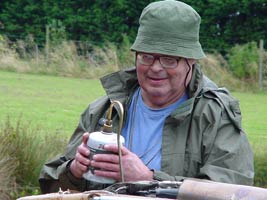
John Hyder |
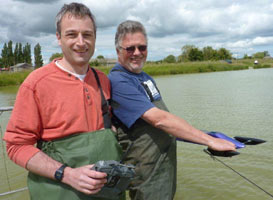
Paul Windross | Left: Martin Broad |
British Classes
| A1 1.2kg | Waterscrew up to 3.5cc. Straight fuel. *All waterscrew classes must run with silencers* |
| A1E 1.2kg | Electric Max 42V |
| A2 2.0kg | 3.5cc to 7.5cc Straight fuel |
| A3 2.5kg | 7.5cc to 10cc Straight fuel |
| B1 0.75kg | 2.5cc airscrew Straight fuel 5.0mm max exhaust dia |
| B1E 0.75kg | Electric airscrew, max 42v |
| B1E GB 0.85kg | Electric airscrew, max 42v |
| B1 Sport 2.0lbs | £90 limit on motor, 5mm exhaust outlet, commercial propellers. Free fuel |
| Sport 40 4.0lbs | 6.5cc side exhaust 2-stroke. 10cc 4-stroke . Commercial components Free fuel |
| Sport E 4.0lbs | 6 cell 22.5v electric |
| B Class 8.0lbs | Up to 15cc homebuilt engines. Free fuel |
| B/S Class 9.0lbs | Steam powered, all up weight not to exceed 9lbs. |
| A Class 16.0lbs | Up to 30cc homebuilt engines. Free fuel |
| A/S Class 16.0lbs | Steam powered, all up weight not to exceed 16lbs. |
| B/R 6.0lbs | Commercial engines up to 15cc. Free fuel |
| Vintage | Waterscrew or Airscrew, pre 1963 boat or design with engine of contemporary date. |
Records are correct at 01/01/25. Thanks to Norman Lara.
©copyrightOTW2025